
Oncology Medical Billing Services That Protect High Cost Cancer Care Revenue
Oncology is the most financially unforgiving specialty to bill. A single missed wastage modifier on a 5,000 dollar drug, an undocumented infusion stop time, or three initial codes on a multi drug regimen, and the money is gone. We code the infusion hierarchy correctly, calculate J-code units to the milligram, apply JW and JZ every time, and confirm authorization before each cycle. Most cancer care practices come to us losing revenue on infusion time and drug wastage they never see in their reports.

What are oncology medical billing services?
Oncology medical billing services handle coding, claim submission, and collections across cancer care. That means chemotherapy infusion, immunotherapy, supportive drugs, radiation therapy, and the high cost drugs that drive most of the dollars. The work lives on four things: the infusion administration hierarchy, accurate J-code drug units, the mandatory wastage modifiers, and prior authorization that holds across treatment cycles.
Here’s what generalist billers cannot do. Oncology is not standard billing with cancer codes added. Every infusion encounter carries two separate charge categories, the drug and the administration, and getting the relationship between them wrong is the difference between full payment and a clawback.
How does the chemotherapy infusion hierarchy work?
This is where oncology practices lose the most revenue, so let’s be plain. Every chemotherapy encounter generates two kinds of charges: the drug charge, reported with HCPCS J-codes, and the administration charge, reported with CPT codes. Miss either and you leave money on the table. Use the wrong administration hierarchy and you generate bundling denials. The administration codes follow a strict order. One drug is the initial. Everything after it is sequential or concurrent:
| CPT | What It Reports | Rule |
|---|---|---|
| 96413 | Chemotherapy IV infusion, initial hour | Billed once per encounter, first drug only |
| 96415 | Each additional hour of the same drug | Add-on to 96413, needs documented time |
| 96417 | Each additional sequential drug | Use for the second and later drugs, not another 96413 |
| 96409 / 96411 | Chemotherapy IV push, initial / additional | Different technique from infusion |
| 96365 to 96368 | Non chemotherapy therapeutic infusion (antiemetics) | Supportive drugs, separate hierarchy |
| 96416 | Prolonged infusion over 8 hours via pump | Portable or implantable pump |

Take a multi drug regimen like FOLFOX. Only one drug per encounter is the initial, billed 96413 once, with 96415 for its additional hours. Every drug after it is sequential: 96417 for each additional chemotherapy agent, and 96367 for a sequential non chemotherapy or supportive agent like leucovorin, since CMS treats those under the non chemotherapy hierarchy. Bill three 96413 initial codes instead, which generalist billers do constantly, and the claim draws predictable bundling denials. That one rule, one initial per encounter, prevents a large share of oncology denials.
Why do oncology claims get denied more than other specialties?
The drugs are expensive, the coding is time based, and the compliance rules are strict. Put those together and even small mistakes create large financial losses. A wrong J-code unit count, a missing modifier, or an expired authorization does not cost a few dollars in oncology, it costs thousands.
The industry baseline still applies. MGMA recommends practices hold a clean claim rate at or above 95 percent, yet most sit closer to 75 to 85 percent. Each denied claim costs roughly 25 to 30 dollars just to rework, and about 65 percent of denied claims never get reworked. In oncology, the per claim value is so high that the unreworked share alone can sink a practice’s margin.
The denials we see drain oncology revenue most often:
- Infusion time gaps. No documented start and stop time means the additional hour codes get denied. A 3 hour Taxol infusion can collapse from 96413 plus two units of 96415 (around 850 dollars) down to a single 96413 (around 280) for lack of a stop time.
- Wrong infusion hierarchy. Multiple initial codes on a multi drug regimen, as in the FOLFOX example above.
- Missing JW or JZ wastage modifier. Payers can demand refunds on all drug reimbursement when wastage is not documented.
- J-code unit miscalculation. Billing the wrong number of drug units means underpayment or denial on the most valuable line on the claim.
- Authorization gaps between cycles. An auth that expired between treatments denies the entire drug claim.
- Off label use without compendia citation. Denied on medical necessity unless the supporting reference is on the claim.
If your practice runs more than a handful of infusion encounters a day, every one of these is quietly costing you real money.


Why is drug wastage billing the detail that pays for itself?
Many chemotherapy drugs come in single dose vials that cannot be saved. If a vial holds 500 mg and the patient needs 350, the remaining 150 mg gets discarded. Medicare lets you bill for that waste, but only if you document it correctly with the JW modifier, reporting the administered units plus the discarded units. When the full vial is used with nothing left over, JZ confirms zero wastage. Both are mandatory on applicable single dose claims.
This is the line item generalist billers skip, and it is expensive to skip. Payers can claw back drug reimbursement entirely when wastage documentation is missing. On a single high cost oncology drug, that one modifier is the difference between a clean payment and a refund demand. We apply JW and JZ on every applicable claim and reconcile the units against the vial size, so the wastage you are entitled to bill gets billed.
How does the radiation oncology billing differ?
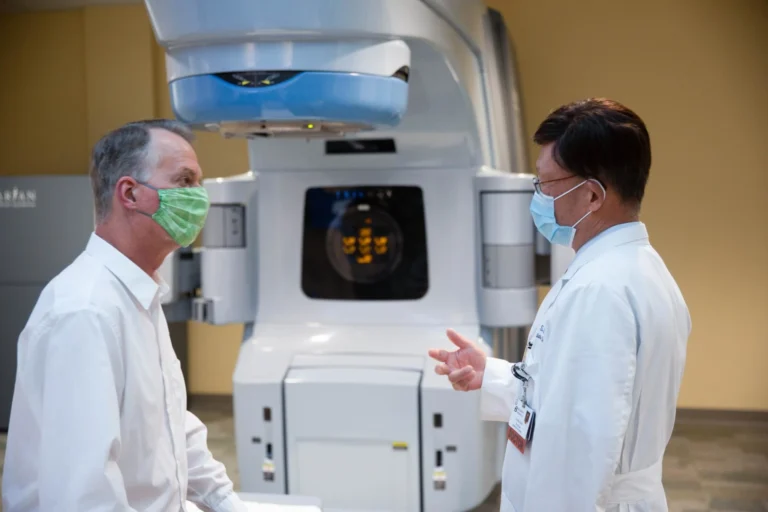
Radiation oncology bills two things separately: treatment delivery and treatment management. The management code, CPT 77427, reports each group of 5 radiation fractions. The catch most practices miss: CMS requires all 5 fractions be delivered before you bill it. Submit 77427 before the 5th fraction and an automated denial follows, every time.
The 2026 CPT cycle restructured several radiation delivery codes, one of the larger oncology code changes in years. Simulation, IMRT, and stereotactic procedures each carry their own modality specific codes and documentation trail from medical necessity through audit ready records. We keep the charge master aligned to the current descriptors so delivery coding reflects the actual complexity level and does not reject on a deleted code.

What results can an oncology practice expect?
We don’t publish invented numbers, so here’s the honest version using industry benchmarks you can verify. MGMA data shows up to 15 percent of medical claims are denied or delayed, and that nearly two thirds of those denials are recoverable when a practice has the right systems in place. Change Healthcare research cited by MGMA found 86 percent of denials are potentially avoidable.
Now apply that to oncology economics. Because the per claim value is so high, recovering the infusion time, wastage, and authorization denials that dominate cancer care billing moves real money, not rounding error. Pull the denial rate toward the MGMA 95 percent clean claim target, capture the wastage you are entitled to, and stop the cycle to cycle auth losses, and the recovered revenue is substantial. That’s the prize. Not a vague growth promise, a recovered figure you can model against your own drug spend and infusion volume.
Want your real numbers instead of benchmarks? That’s what the free audit is for. We pull your last 90 days, including your wastage capture and infusion documentation, and show you exactly where the leak is.
What does Medicotech do for your oncology practice?
Oncology Specific Coding
Our CPC and CPB certified coders work cancer care every day. They apply the infusion hierarchy correctly, count J-code units to the milligram, append JW and JZ on every applicable drug, and match each administration code to documented start and stop times. Pre submission scrubbing catches the hierarchy and wastage errors before they become denials or clawbacks.
✔ Code-level accuracy covering precise drug administration hierarchies.Drug and J-Code Unit Management
The drug line is the most valuable and the most error prone part of an oncology claim. We reconcile billed units against vial sizes and administered doses, confirm the right J-code for each agent, and document wastage so the full reimbursement holds up under audit.
✔ Precise unit reconciliation to maximize and protect high-cost drug revenue.Prior Authorization Across Cycles
We track authorization per cycle rather than once per patient, and confirm coverage before each administration. No 5,000 dollar drug should go into a patient against an authorization that quietly expired between treatments.
✔ Dynamic tracking to eliminate mid-treatment authorization gaps.Denial Management and Appeals
When a denial lands, speed matters more in oncology than anywhere, because the dollars are larger. We work denials inside tight windows, file appeals with the infusion records and compendia citations payers want, and track every claim against timely filing. The focus is first pass approval, because a clean claim beats a won appeal every time.
✔ Accelerated appeal strategies backed by concrete clinical documentation.Credentialing and Enrollment
An oncologist who isn't enrolled with a patient's payer cannot bill that patient's care. We handle enrollment across payers so treatment starts without billing delays. Note that precise enrollment alignment protects high-value oncology pipelines from accidental out-of-network leakage. (medical credentialing services)
✔ Complete provider network integration for frictionless patient intake.

Why outsource oncology billing instead of keeping it in house?
In house oncology billing demands rare expertise. The infusion hierarchy, J-code unit math, mandatory wastage modifiers, buy and bill cash management, and cycle by cycle authorization all require coders who specialize in cancer care, and those people are hard to hire and harder to keep. Carry salaries, software, training, and the clawbacks a stretched team triggers, and the true cost runs well past payroll.
Outsourcing turns that into a predictable percentage of collections, with a team that already knows 96413 from 96417, already applies JW and JZ by reflex, and already moved the charge master onto the 2026 radiation codes.()
Frequently Asked Questions
What are oncology medical billing services?
Oncology medical billing services handle coding, claim submission, and collections for cancer care. That covers chemotherapy infusion, immunotherapy, supportive drugs, radiation therapy, and the high cost drugs that come with them. The work centers on the infusion administration hierarchy, accurate J-code drug units, mandatory wastage modifiers, and prior authorization, which is where oncology revenue is won or lost.
What CPT codes are used for chemotherapy infusion billing?
CPT 96413 is the initial hour of IV chemotherapy infusion, billed once per encounter for the first drug. 96415 is the add-on for each additional hour of the same drug. 96417 is each additional sequential drug. 96409 is IV push, and 96365 through 96368 cover non chemotherapy therapeutic infusions like antiemetics. Code selection depends on administration method and documented start and stop times.
How is a multi drug chemotherapy regimen like FOLFOX billed?
Bill the initial infusion code once, then add sequential codes for each additional drug. For a regimen like FOLFOX, that means 96413 once for the first chemotherapy drug, 96415 for additional hours of that same drug, then 96417 for each additional chemotherapy agent and 96367 for a sequential supportive agent such as leucovorin. Billing three 96413 initial codes for a multi drug regimen is the classic error and generates predictable bundling denials.
What are the JW and JZ modifiers and why do they matter?
JW and JZ are Medicare drug wastage modifiers for single dose vials. JW reports the discarded amount when a vial holds more than the patient’s dose, so a 500 mg vial used for a 350 mg dose bills the 350 administered plus 150 wasted with JW. JZ confirms zero wastage. Both are mandatory. Miss them and payers can claw back the entire drug reimbursement, which on oncology drugs is serious money.
Why is infusion time documentation so important in oncology billing?
Infusion codes are time based, so each drug needs documented start and stop times. Without them, payers deny the additional hour codes. A three hour Taxol infusion documented properly bills 96413 plus 96415 twice. Without time documentation it collapses to a single 96413, turning roughly 850 dollars into about 280. The money is in the clock.
What is the buy and bill model in oncology?
Under buy and bill, the practice purchases expensive chemotherapy and biologic drugs up front, administers them, then bills the payer for reimbursement. It ties up significant cash and creates real risk: a J-code unit miscalculation, a missing wastage modifier, or an expired authorization can turn a paid drug into an unrecovered loss. Tight billing discipline is what keeps buy and bill profitable.
How does prior authorization affect oncology billing?
Expensive oncology drugs administered without pre approval lead to automatic denials, and authorizations often expire between treatment cycles. If a cycle runs after the auth lapses, the entire drug claim can be denied. We track authorization status per cycle and confirm coverage before each administration so a 5,000 dollar drug is never given against a dead auth.
How is radiation oncology billed?
Radiation oncology bills treatment delivery and treatment management separately. CPT 77427, radiation treatment management, reports each group of 5 fractions, but CMS requires all 5 fractions be delivered before billing. Bill 77427 before the 5th fraction and an automated denial follows. The 2026 CPT cycle also restructured several radiation delivery codes, so the charge master has to match the new descriptors.
Did oncology CPT codes change for 2026?
Yes. 2026 brought one of the larger oncology CPT restructures in years, especially in radiation oncology and supportive chemotherapy care, with deleted and revised codes. The JW and JZ wastage modifiers remain mandatory on applicable single dose drug claims. We transition the charge master off deleted codes before January 1 so claims do not reject on outdated codes.
Is Medicotech HIPAA compliant?
Yes. We follow HIPAA rules for every claim. Patient data moves through encrypted channels with controlled access, and our processes keep your practice clear of compliance and audit exposure. HIPAA is a regulation we comply with, not a certification anyone issues.
How much do oncology billing services cost?
We charge a percentage of collections, typically 4 to 8 percent depending on drug and service mix and volume. No setup fees, no long term contract, no hidden charges. You pay when you get paid. Every engagement starts with a free billing audit so you see the gaps before you commit.
Do you work with our oncology EHR and practice system?
Yes. We work with your existing oncology EHR and practice management system rather than forcing a migration, including the infusion flowsheets where start and stop times live. We pull charge data from your workflow so drug units, administration codes, and wastage are captured accurately the first time.
Ready to stop losing cancer care revenue?
Book your free billing audit. A dedicated specialist reviews your last 90 days of oncology claims, checks your infusion documentation and wastage capture, and shows you the recovery math. No commitment.
- Specimen Level Mapping – Ensuring surgical pathology tiers align with document complexity.
- Split-Ownership Audits – Accurate application of technical component (TC) and professional component (26) modifiers.
- Pre-Submission Scrubbing – Catching compliance, billing, and technical mismatches before the claim drops.
- Timely Filing Defense – Rapid response patterns built to stop aged pathology claims from hitting payer deadlines.
HIPAA Compliant • Specialized for Pathology