
Medical Billing Services in South Carolina That Cut Denials and Speed Up Payments
Medicotech provides outsourced medical billing services in South Carolina for practices in Columbia, Charleston, Greenville, Myrtle Beach, and every county between the mountains and the coast. We handle claim submission, coding, denial management, and A/R follow up for BlueCross BlueShield of South Carolina, Healthy Connections Medicaid, and every major commercial payer active in the state. Our CPC certified billers track South Carolina’s specific claims rules, including a gap in state law that catches a lot of practices off guard.
If you bill more than a couple hundred claims a month, the next few sections cover exactly what that gap means for your cash flow, plus what changes when you outsource and what a small South Carolina practice should expect from a billing partner.
Why South Carolina Practices Struggle With Billing
Two things make South Carolina harder to bill than most states. First, one payer, BlueCross BlueShield of South Carolina, controls close to half the commercial market. When your front desk misreads that payer’s timely filing window or clearinghouse edit, you feel it across a huge share of your claim volume, not just a handful of patients.
Second, South Carolina moved more Healthy Connections Medicaid members into managed care organizations on January 1, 2026. That includes adult beneficiaries and anyone dually enrolled in Medicare and Medicaid. Picture a family practice in Anderson that had billed the same Medicaid patients under fee for service for years, then found half of them reassigned to an MCO network overnight. Eligibility checks that used to be a formality became a daily task with real financial consequences.
Add rural staffing turnover, a common complaint from practice managers across the Upstate and Pee Dee regions, and you get a state where billing knowledge walks out the door with every biller who leaves.
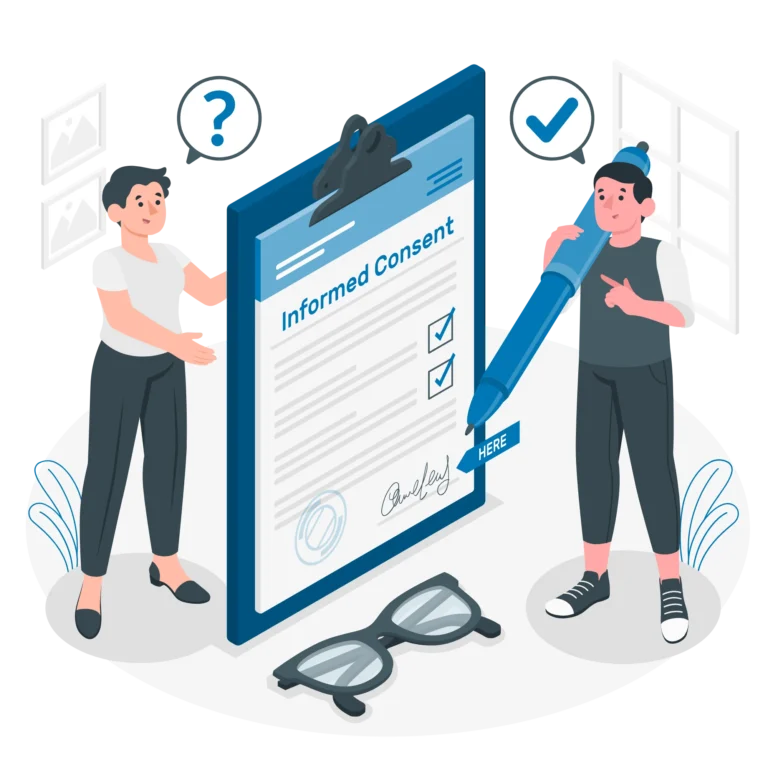

What Laws Apply to Billing for Medical Services in South Carolina?
South Carolina billing sits under three layers of rules: Title 38 of the South Carolina Code of Laws for insurer conduct, federal HIPAA for privacy and security, and SCDHHS policy for Healthy Connections Medicaid claims.
Here’s the detail most out of state billing companies miss. South Carolina is the only state in the country without a prompt pay law. Every other state sets a required window, usually 30, 45, or 60 days, for an insurer to pay or deny a clean claim. South Carolina never passed one. That means a slow payer here has less statutory pressure on it than the same payer would face in Georgia or North Carolina.
That doesn’t leave practices with no protection. Section 38-59-20 of the South Carolina Code defines unfair claims practices, including failure to acknowledge claims with reasonable promptness and misrepresenting policy provisions to a provider or patient, and gives the South Carolina Department of Insurance grounds to act on a pattern of bad conduct. Section 38-55-170 makes knowingly submitting a false claim a criminal offense, a felony above 10,000 dollars. HIPAA still governs how you handle PHI in every claim and every phone call to a payer.
What this means in practice: your billing team needs to build in its own follow up cadence on unpaid claims instead of leaning on a statutory clock that doesn’t exist here. That’s a habit we build into every South Carolina account from day one.
Outsourcing Medical Billing Services in South Carolina: What Actually Changes
Outsourcing moves claim submission, coding, denial follow up, and A/R recovery off your front desk and onto a team that already knows BlueCross BlueShield of South Carolina's clearinghouse quirks and the new Healthy Connections MCO rules. You don't lose control of the process. You gain a team that treats it as a full time job instead of a task squeezed between check ins. Here's what changes for a typical South Carolina practice:
Pre-Visit Eligibility Verification
Eligibility and MCO enrollment get verified before the visit, not discovered after a denial.
Payer-Specific Claim Scrubbing
Claims get scrubbed against payer specific rules before submission, which is where most avoidable denials start.
Dedicated Denial Management
A dedicated specialist works your denial queue instead of a front desk employee squeezing it in between patient calls.
Weekly Practice KPI Reporting
You get a weekly KPI report showing denial rate, days in A/R, and collection rate for your practice specifically.
Focus on Patient-Facing Care
Your staff gets their time back for patient facing work, which is usually the reason practices started outsourcing in the first place.
We charge a percentage of collections, typically 4 to 8 percent depending on specialty and volume. No setup fees. No long term contract. You pay only when you get paid, and every engagement starts with a free billing audit so you know what you're fixing before you commit to anything.
Medical Billing Services for Small Practices in South Carolina
Most of the South Carolina practices we work with run lean. Solo family medicine, two physician orthopedic groups, small internal medicine clinics in towns where the nearest hospital system is 40 minutes away. If that’s your practice, you already know the problem: one person handles billing, scheduling, and half of patient intake, and when that person is out sick, claims sit.
A small practice doesn’t need the same onboarding a hospital system needs. We size setup, reporting, and communication to match your volume. That means a direct point of contact instead of a ticket queue, and reporting that fits on one page instead of a dashboard nobody has time to read.
Most rejected claims at small South Carolina practices trace back to five root causes: eligibility gaps, coding mismatches, missing prior authorization, timely filing misses, and modifier errors. We’d argue eligibility gaps get underrated the most. Practice managers spend a lot of energy chasing coding accuracy and comparatively little on verifying MCO assignment before the visit, and in a state that just shifted a chunk of its Medicaid population into managed care, that’s backward. Partnering with dedicated medical billing services for small practices prevents these gaps before claims are ever generated.

How Medicotech's South Carolina Billing Process Works
The process runs in five steps, and none of them are optional if you want a clean claim the first time:
Real-Time Eligibility Verification
Real time eligibility and MCO verification before every appointment.
Certified Coding Review
Certified coding review against current CPT and ICD-10 guidelines.
Pre-Submission Claim Scrubbing
Pre submission claim scrubbing against BlueCross BlueShield of South Carolina and Healthy Connections specific edits.
Electronic Claim Tracking
Electronic submission with tracking through final adjudication.
Scheduled Denial Management & Appeals
Denial management and appeals handled by a specialist who follows up on a set schedule, since South Carolina won't force the payer's hand for you.
If your practice runs a high volume of Healthy Connections claims, the second step in that list, MCO verification, is usually the single biggest fix available. Practices that skip it are the ones most likely to see a clean claim bounce back weeks later as a coverage denial that has nothing to do with coding.

South Carolina's Payer and Medicaid Landscape
BlueCross BlueShield of South Carolina, headquartered in Columbia, holds close to half the commercial health insurance market in the state and touches a large share of every practice’s claim volume regardless of specialty. Aetna, Cigna, UnitedHealthcare, and Humana round out the rest of the commercial book, each with its own clearinghouse rules and appeal timelines. To learn more about how we navigate regional payer requirements, see our complete medical billing services.
Healthy Connections is South Carolina’s Medicaid program. Most beneficiaries now receive care through a managed care organization rather than fee for service. South Carolina has not adopted ACA Medicaid expansion, so eligibility stays tied to specific categories: age, disability, pregnancy, or dependent children. That keeps the eligible population narrower than in expansion states, but it also means the beneficiaries who do qualify tend to have more complex, higher acuity claims. Long term nursing home care and home and community based waiver services remain fee for service even after the 2026 managed care changes.
Denial rates and slow payers cost South Carolina practices real revenue every month, and this state doesn't give you a statutory clock to force the issue.
Frequently asked questions about medical billing services in South Carolina
What laws apply to billing for medical services in South Carolina?
South Carolina billing falls under Title 38 of the South Carolina Code of Laws, which governs unfair claims practices and false claims, plus federal HIPAA rules and SCDHHS policy for Healthy Connections Medicaid. South Carolina is also the only state without a prompt pay law, so there’s no statutory deadline forcing insurers to pay or deny a clean claim within a set number of days.
Is there a prompt pay law in South Carolina?
No. South Carolina is the only state without a prompt pay statute setting a required payment turnaround for clean claims. Practices lean on payer contract terms and the state’s unfair claims practices statute, Section 38-59-20, instead of a fixed deadline.
How much does outsourcing medical billing cost in South Carolina?
Medicotech charges a percentage of collections, typically 4 to 8 percent depending on specialty and volume, with no setup fees and no long term contract. You pay only when your practice gets paid.
Which payer processes the most claims in South Carolina?
BlueCross BlueShield of South Carolina is the dominant payer, holding close to half the commercial market. A South Carolina billing team needs deep familiarity with its clearinghouse and appeal process.
What changed with Healthy Connections Medicaid in 2026?
Effective January 1, 2026, SCDHHS moved more Healthy Connections Medicaid members into managed care organizations for medical services, including adult beneficiaries and dual Medicare and Medicaid enrollees. Waiver and nursing facility services stayed fee for service.
Do you serve small practices in South Carolina?
Yes. Most of our South Carolina clients run 1 to 8 providers. We size onboarding and reporting to match a small practice’s actual volume.
Which EHR systems does Medicotech support for South Carolina practices?
We work inside Epic, Cerner, athenahealth, Kareo (Tebra), AdvancedMD, DrChrono, Practice Fusion, eClinicalWorks, NextGen, and other systems already common across South Carolina practices.
How long does it take to see results after switching billing companies?
Most practices see cleaner claim submission within 30 days and measurable denial rate improvement by day 90, once eligibility checks and a dedicated denial specialist are fully in place.