
Orthodontics Billing Services That Protect Your Case Fees and Reduce Denials
Your treatment coordinator closes the case. Your clinical team places the appliance. Then the billing starts and it doesn’t stop for 18 to 30 months. Monthly installment claims, lifetime maximum tracking, patient balance coordination, prior auth renewals, and the occasional medical crossover claim all have to happen without a gap. One missed D8670 installment, one expired auth, one wrong patient age range on a D8080 versus D8090 and that revenue is gone or delayed by weeks.
Medicotech handles orthodontics billing for practices across all 50 states. Our AAPC certified billers know the CDT code set, understand how lifetime maximums work at the major carriers, and handle the dental-to-medical crossover when medically necessary treatment qualifies for medical insurance reimbursement. You run your practice. We protect the case fees.

What is orthodontics billing?
Orthodontics billing is the process of submitting CDT-coded claims to dental insurance for braces, clear aligners, retainers, and related orthodontic services managing multi-month installment payments, lifetime maximum tracking, and prior authorization across the full treatment timeline. For medically necessary cases involving jaw alignment, airway obstruction, or craniofacial conditions, it also includes crossover billing to medical insurance using CPT and ICD-10 codes. Most orthodontic practices lose 8 to 15 percent of revenue to billing gaps that a specialized billing team prevents.
Why Is Orthodontics Billing Different from General Dental Billing?
General dental billing is mostly per-visit: a patient comes in, a procedure happens, you submit a claim. Orthodontics doesn't work that way. An orthodontic case runs 18 to 30 months on average, and the billing runs with it month by month, carrier by carrier, for the entire treatment arc. Three things make orthodontics billing genuinely harder than most dental specialties:
Monthly installment billing over a multi-year timeline
Your carriers pay orthodontic treatment in periodic installments, not a lump sum at the start. You collect a case fee from the patient upfront, then submit claims monthly (typically under D8670 for periodic orthodontic visits) to recover the insurance portion in stages. One late submission, one coding error, one missed month: that installment ages in A/R. At 45 days without payment, it needs active follow up. At 90 days, it’s a recovery project.
Practices that handle this in house often track installments manually in spreadsheets. One staff turnover, one system change, and cases start falling through. Our team flags every installment that hasn’t paid within 45 days of submission and pursues it immediately.

Lifetime maximum tracking across dual coverage patients
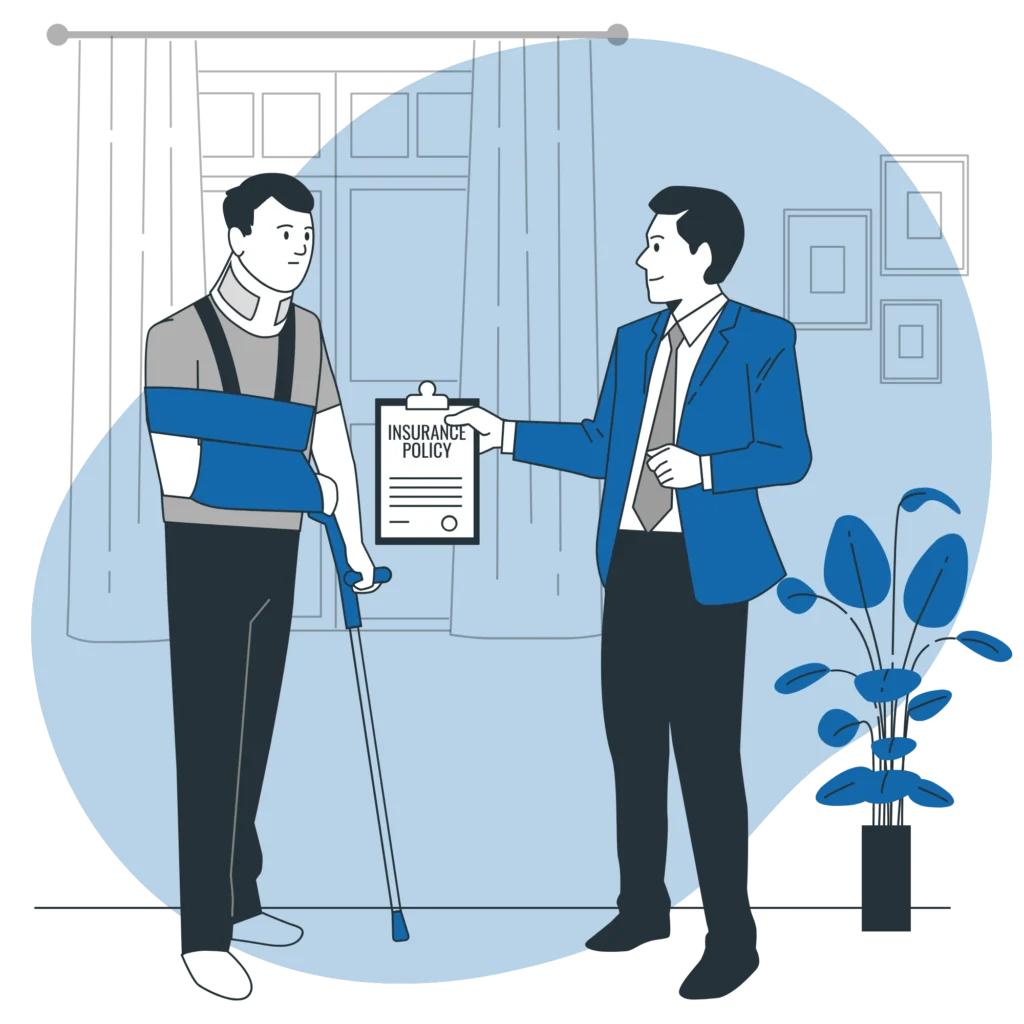
Dental insurance plans carry orthodontic lifetime maximums typically $1,000 to $3,500 per patient depending on the carrier. Once the patient hits that cap, every remaining installment is patient-responsibility. If your billing team doesn’t track the running benefit balance and alert your treatment coordinator before the limit is hit, patients get surprise balances and your AR gets messy.
Patients with dual coverage add another layer. Primary carrier pays first, secondary carrier has its own ortho benefit with its own lifetime max, and coordination of benefits rules vary by plan. We verify both carriers before treatment starts, track the combined benefit balance through the case, and produce accurate patient estimates at each stage.
The dental-medical crossover a revenue source most practices miss
Standard orthodontic treatment braces for cosmetic alignment is billed to dental insurance using CDT codes. But orthodontic treatment that is medically necessary due to skeletal jaw discrepancy, obstructive sleep apnea, temporomandibular dysfunction, or craniofacial conditions may qualify for reimbursement from medical insurance under CPT codes, supplementing or replacing the dental benefit entirely.
This crossover is underused. Chances are your practice hasn’t attempted this billing few do. We handle both sides: CDT claims to dental carriers and CPT coded crossover claims to medical carriers, with ICD-10 diagnosis codes that document medical necessity.

What CDT Codes Do You Use for Orthodontics Billing?
Orthodontics billing runs on CDT codes, the Current Dental Terminology code set published by the American Dental Association. These codes not CPT are what dental carriers require for standard orthodontic claims. Here are the core codes we work with and the billing nuances each one carries:
| CDT Code | Procedure | Billing Notes |
|---|---|---|
| D8010 | Limited ortho, primary dentition | Early intervention cases. Document why treatment is limited. Denials happen when clinical notes look like comprehensive treatment. |
| D8030 | Limited ortho, adolescent dentition | Use for focused corrections, not full-case treatment. If the case expands to comprehensive, update the code. Do not leave D8030 on a full-case contract. |
| D8040 | Limited ortho, adult dentition | Same scope rules as D8030. Adults have different benefit designs at most carriers. Verify age-based limits before submission. |
| D8070 | Comprehensive ortho, primary dentition | Rare. Requires strong documentation of full-case scope. |
| D8080 | Comprehensive ortho, adolescent dentition | The most billed ortho code. Used for permanent dentition patients still in growth phase, typically under 18. Wrong age range results in automatic denial at most carriers. |
| D8090 | Comprehensive ortho, adult dentition | Growth-complete patients. Age 18 and up typically, though some carriers use skeletal maturity markers. Verify before using D8080 on older adolescents. |
| D8660 | Pre-orthodontic exam | Initial exam and records. Billable separately. Often missed. Practices bundle it into the case fee and lose the claim. |
| D8670 | Periodic ortho visit | The monthly installment code. This is the heartbeat of orthodontic revenue. Every missed submission is a missed payment. Track every one. |
| D8680 | Orthodontic retention | Retainer delivery at case completion. Frequently under-billed or omitted. Most plans cover retention as part of the case benefit. |
| D8703 and D8704 | Replacement retainer, maxillary and mandibular | Retainers get lost. Bill replacements correctly rather than lumping into the case fee. Many plans cover at least one replacement. |
| D8698 and D8699 | Re-cementation of fixed retainer, maxillary and mandibular | Commonly missed. Clear documentation required: which retainer, what date, what was re-bonded. |
| D0330 and D0340 | Panoramic and cephalometric x-ray | Diagnostic records billed separately from the case. Required pre-treatment and sometimes mid-treatment by carriers. |
How Does Medical Insurance Crossover Billing Work for Orthodontics?
Standard orthodontic treatment braces for cosmetic alignment is billed entirely to dental insurance. Some cases aren't elective. When orthodontic treatment is medically necessary, the medical insurance carrier may reimburse some or all of the cost and that reimbursement is separate from, and additional to, the dental benefit.
Conditions that typically qualify a case for medical crossover billing:
-
✔️
Skeletal malocclusion or jaw discrepancy with documented functional impairment
-
✔️
Obstructive sleep apnea where orthodontic treatment is part of the treatment plan
-
✔️
Temporomandibular joint disorder with documented orthodontic component
-
✔️
Cleft palate, cleft lip, and other craniofacial anomalies
-
✔️
Jaw injury or trauma requiring orthodontic correction
-
✔️
Orthodontic treatment preparatory to orthognathic surgery (jaw surgery)
What Does Medicotech Handle for Your Orthodontic Practice ?
Our orthodontics billing service covers the full revenue cycle from the day the patient signs the contract to the day the case closes and every installment in between.
-
🔍
How Do We Verify Your Patients' Orthodontic Benefits?
Before the case contract is signed, we verify every patient's orthodontic benefits. That includes: lifetime maximum and amount remaining, plan coverage percentage, monthly or lump-sum payment structure, age restrictions, pre authorization requirements, and clear aligner coverage status. Your treatment coordinator uses this data to build an accurate financial arrangement from day one.
We check both dental and medical benefits for every patient. That includes fertility benefit managers like Progyny and Maven that increasingly include orthodontic or dental components in employer sponsored plans. If any policy might cover part of the treatment, we identify it at intake, not 12 months into the case.
-
📋
Prior Authorization Submission and Tracking
Every major carrier requires pre authorization before orthodontic treatment begins. We prepare complete auth packets including diagnostic records, treatment plan narrative, estimated timeline, and CDT code list, and submit them with the documentation the carrier actually needs. Then we track turnaround. If a carrier has not responded within 15 business days, we follow up directly.
Expired authorizations mid case are a hidden revenue risk. We track auth expiration dates alongside the treatment timeline and initiate renewal before coverage lapses.
-
📅
How Do We Track and Submit Monthly Installment Claims?
Every active case gets a D8670 claim submitted on schedule, same day each month, without exception. We track every open case, every submission date, and every expected payment. Claims that have not paid within 45 days get flagged for active follow up, not at 90 days when recovery becomes harder.
-
📊
Lifetime Maximum Tracking and Patient Balance Coordination
We track the running insurance benefit for every active case and alert your team before a patient hits their lifetime maximum. That way your treatment coordinator can adjust the patient's payment plan before the balance surprise hits. For dual coverage patients, we coordinate between carriers and calculate patient responsibility accurately at each installment.
-
⚠️
Denial Management and Appeals
Orthodontic denials typically come from four sources: wrong patient age range (D8080 vs D8090), missing or expired prior authorization, lifetime maximum exhausted, and insufficient medical necessity documentation for crossover claims. Our denial management team investigates every denial within 24 hours, corrects the root issue, and resubmits with the right documentation.
CO-97 (bundling included in another service) and CO-29 (time limit for filing) are the most common reason codes on orthodontic claims. We catch both before submission when possible, and resolve them on appeal when they come through.
-
🏥
Credentialing for Orthodontists
An orthodontist who is not credentialed with the major carriers in their market turns patients away every week. Our insurance credentialing services handle CAQH maintenance, payer enrollment applications, group contract negotiations, and re-credentialing before expirations. We track credential expiration dates across all payers and initiate renewal 90 days in advance so you never lose billing access mid case.
Which Orthodontic Practice Management Software Do You Work With?
Orthodontic practices use specialized practice management systems that general medical EHRs don't support. We connect with your existing platform no forced migration, no retraining your clinical team.
| Orthodontic-Specific Platforms | General Dental Platforms |
|---|---|
| Dolphin Management | Dentrix Ascend |
| Ortho2 Edge Cloud | Eaglesoft |
| OrthoTrac (Sensei Cloud) | Open Dental |
| Cloud 9 Ortho | CareStack |
| OrthoFi | Carestream Dental |
| Gaidge | Curve Dental |
| DentalMonitoring (monitoring integration) | Denticon (DSO) |
In-House Orthodontic Billing vs Outsourcing : What Does It Actually Cost?
Practices that handle billing in house almost always underestimate what it costs. The salary is the visible line. The overhead, the turnover, and the missed installments are not. Here's the full picture:

| Cost Factor | In-House Biller | Medicotech Outsourced |
|---|---|---|
| Base salary | $48,000 to $65,000/yr | Included in service fee |
| Payroll taxes and benefits (30%) | $14,400 to $19,500/yr | None |
| CDT codebook and billing software | $2,500 to $5,000/yr | Included |
| AAPC training and annual renewal | $600 to $1,200/yr | Included |
| Staff turnover (avg tenure 14 months) | $24,000 to $48,000 per replacement | Zero |
| Missed installments (untracked cases) | $3,000 to $12,000/yr estimated | Tracked, every case, every month |
| Estimated annual total | $68,000 to $100,000+ per FTE | 4 to 8% of collections |
See exactly where your orthodontic billing is leaking revenue. Our free billing audit reviews your active cases, installment submission patterns, denial history, and lifetime max tracking
How Does Medicotech Charge for Orthodontics Billing?
We charge a percentage of collections typically 4 to 8 percent depending on practice size, case volume, and service scope. No setup fees. No long term contracts. No minimum monthly fees.
You pay when you collect. If an installment doesn’t come in, we don’t charge for it. That structure means our incentives and yours point in exactly the same direction.
Every engagement starts with a free billing audit. We review your active case list, your last 90 days of installment submissions, your denial history, and your A/R aging. You get the findings whether or not you move forward with us.

Real results from a real engagement
Practice type and location anonymized for privacy. Metrics from the client engagement record.
Mid-Size Orthodontic Practice (2 Providers, TX)
Practice recovered $71,000 of a $94,000 A/R backlog in 60 days and achieved zero late submissions in the three months following transition.
The Situation
Mid-size orthodontic practice in Texas with two orthodontists and approximately 340 active cases. Monthly installment submissions were running 3 to 6 weeks behind schedule. 47 cases had missed at least one installment in the prior 6 months. Total unworked A/R past 90 days reached $94,000. Front desk staff were submitting claims manually with no tracking system and had no visibility into which cases were current and which weren't.
What We Did
Audited all 340 active cases and identified 47 with submission gaps. Rebuilt the installment schedule from case start dates and began submitting all current cases on a fixed monthly cycle. Simultaneously worked the $94,000 A/R backlog over 60 days to recover outstanding payments and address gaps left by the manual process.
Results
$71,000 of the $94,000 backlog was recovered within 60 days. The remaining $23,000 is partially in appeals. Zero late submissions were recorded in the three months following the transition. The practice's collection rate on active cases improved from 81% to 94% within 90 days of taking over the billing cycle.
Frequently Asked Questions About Orthodontics Billing
What CDT codes do you use for orthodontics billing?
We use the full orthodontic CDT code set: D8080 (comprehensive treatment, adolescent), D8090 (comprehensive treatment, adult), D8030 and D8040 (limited treatment), D8660 (pre-orthodontic exam), D8670 (periodic visit the monthly installment code), D8680 (retention), D8703 and D8704 (retainer replacements), and D0330 and D0340 for diagnostic records. Each code carries its own documentation requirements and carrier-specific rules. We apply the correct code for every case type and patient age range.
Can orthodontic treatment be billed to medical insurance?
Yes, in certain cases. Orthodontic treatment that is medically necessary due to skeletal jaw discrepancy, obstructive sleep apnea, craniofacial anomalies, TMJ dysfunction, or pre-surgical orthodontics may qualify for reimbursement from medical insurance using CPT codes and ICD-10 diagnosis codes. This is separate from the dental insurance benefit and often recovered in addition to it. Most orthodontic practices are not doing this billing. We handle both the dental CDT claims and the medical CPT crossover claims.
How do lifetime maximums work in orthodontic billing?
Dental insurance plans carry an orthodontic lifetime maximum typically $1,000 to $3,500 representing the total the carrier will pay across the full treatment arc, regardless of case length. We track the running benefit balance for every active case and alert your team before a patient reaches the cap. For dual coverage patients, we coordinate between carriers so the combined benefit is maximized and patient responsibility is calculated accurately.
How do you handle monthly installment billing for braces?
We submit D8670 (periodic orthodontic visit) claims on a fixed monthly schedule for every active case. Claims that haven’t paid within 45 days of submission get flagged for active follow up not at 90 days when accounts age into harder-to-recover territory. We maintain a case-by-case installment ledger so you have clear visibility into what has been submitted, what has paid, and what is outstanding at any point in the treatment timeline.
What causes most orthodontic insurance denials?
The most common denial causes we see: wrong age range code (D8080 used for an adult patient who needed D8090, or vice versa), missing or expired prior authorization, lifetime maximum exhausted without the practice’s awareness, and insufficient documentation for medical necessity crossover claims. CO-97 (procedure considered part of another service) and CO-29 (late submission past timely filing limit) also appear frequently on practices that track installments manually. We catch the age range and auth issues before submission and flag CO-29 risks proactively.
Do you handle billing for clear aligners like Invisalign?
Yes. Clear aligner treatment uses the same CDT codes as conventional braces — D8080 or D8090 depending on patient age, D8670 for monthly visits. There is no separate Invisalign CDT code. Some carriers have specific aligner benefit riders that restrict coverage or require additional documentation. We verify aligner coverage as part of the pre-treatment benefits check and flag any plan-specific restrictions before the case contract is signed.
Which states do you serve?
All 50. Medicotech serves orthodontic practices across the US, from solo practitioners and two-doctor groups to multi-location ortho groups. State-specific Medicaid rules for orthodontic coverage (which vary significantly some states cover children’s ortho under Medicaid, some don’t) are part of our standard benefits verification process.
How long does it take to see results after onboarding?
Measurable improvement comes within 30 to 60 days for most practices primarily through tighter installment submission schedules and faster denial resolution. A/R recovery from an existing backlog typically takes 60 to 90 days depending on volume and age. Practices with a significant backlog of missed installments often see the largest immediate impact, since those cases have recoverable revenue that simply needs systematic follow up.
Ready to Protect Your Case Fees and Close Your A/R Gaps?
Book your free orthodontics billing audit. Our billing team reviews your active cases, installment history, denial patterns, and lifetime max tracking — and gives you a specific action plan. No commitment, no obligation.
- Active Case Review – A full audit of your current case load to catch billing gaps before they compound.
- Installment History Check – Identify missed or delayed installment submissions and rebuild your collection schedule.
- Denial Pattern Analysis – Pinpoint which payers are rejecting claims and why, so you can stop the cycle.
- Lifetime Max Tracking – Ensure benefits are being applied correctly across multi-year orthodontic treatment plans.
HIPAA Compliant • 50+ Specialties • All 50 States